
The Dominican Republic has established itself as one of the most attractive and profitable destinations for real estate investment in the Caribbean. Paradise-like locations such as Las Terrenas, Samaná, and Punta Cana offer an unmatched combination of natural beauty, economic stability, and a relaxed lifestyle. If you are a foreigner considering buying a vacation home, a retirement residence, or a rental investment property, this guide will explain everything you need to know.
Can a foreigner buy property in the Dominican Republic?
The short answer is: yes, absolutely. Dominican Republic legislation grants foreign citizens the same property rights as Dominican citizens. There are no nationality restrictions for acquiring real estate, whether in your personal name or through a company.
Furthermore, the Dominican government actively encourages foreign investment through a clear legal framework and guarantees for the protection of private property.
Key steps in the real estate purchase process
1. Property selection and reservation
Once you find the ideal property in Las Terrenas or your preferred area, the first step is to sign a letter of intent or reservation form and make an initial deposit (typically between $2,000 USD and $5,000 USD) to take the property off the market.
2. Legal Verification Process (Due Diligence)
Before any final signing, an independent real estate attorney must verify the legal status of the property. This process includes:
- Confirming that the Title Certificate is clean and in the seller's name.
- Verifying that the property has no outstanding liens, mortgages, or encumbrances.
- Confirming that the Real Estate Property Tax (IPI) is paid up to date.
- In the case of pre-construction purchases (projects under construction), reviewing the construction and environmental permits.
3. Promise of Sale
This is the formal contract that details the terms of the transaction, payment plan, delivery date, and responsibilities of both parties. Upon signing this contract, you typically pay between 10% and 20% of the property value (minus the amount already paid as a reservation deposit).
4. Definitive Sale Contract and Final Payment
Once the final payment is completed or the agreed closing date is reached, the Definitive Sale Contract is signed before a Public Notary.
5. Title Transfer
The attorney deposits the signed contract and documents with the Land Registry to pay the corresponding taxes and issue the new Title Certificate in your name.
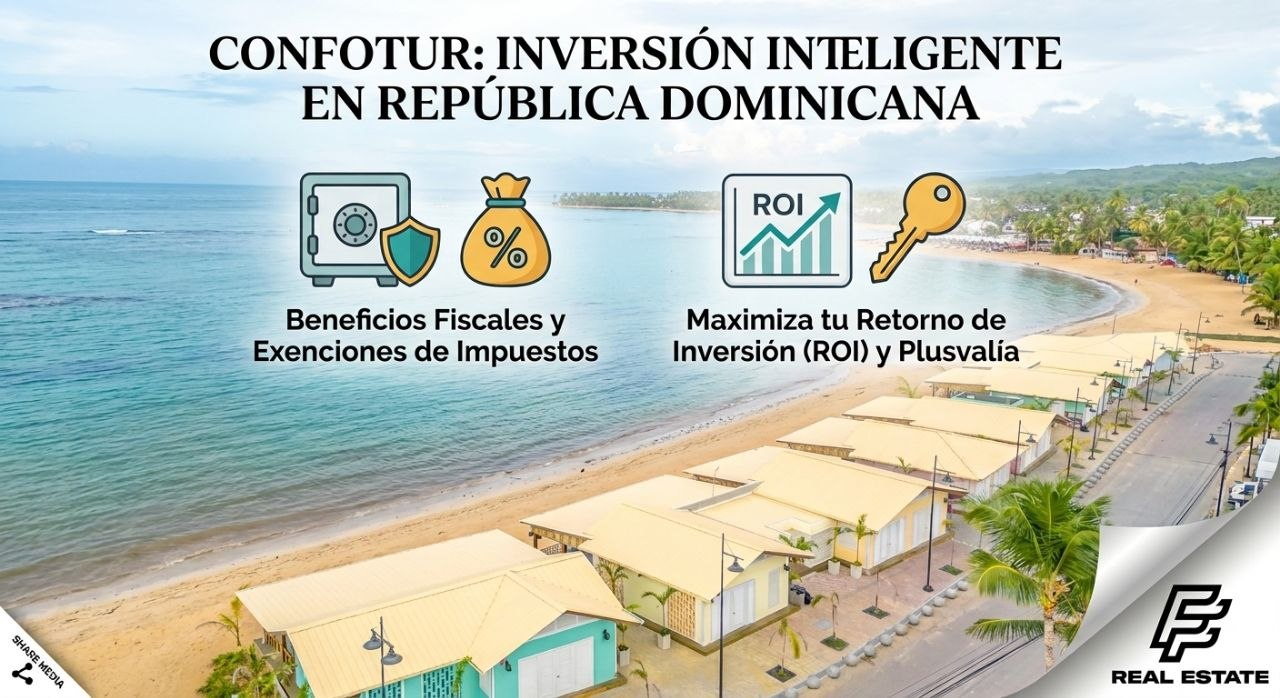
Tax Benefits: The CONFOTUR Law
One of the biggest attractions for investors in the Dominican Republic is Law No. 158-01 (CONFOTUR), created to promote tourism development. Many villas and apartment projects in Las Terrenas and Samaná are approved under this law.
By purchasing in a project classified under CONFOTUR, you enjoy significant tax exemptions:
- Transfer Tax Exemption (3%): You do not pay the 3% property value tax at the time of purchase.
- IPI Exemption (1% annual): Exemption from the Real Estate Property Tax (IPI) for 10 to 15 years.
Strategic tips for investing in Las Terrenas
- Define your investment goal: Are you looking for return on investment through platforms like Airbnb or a personal-use residence? Choose locations close to the beach (like Playa Bonita or Cosón) if your focus is vacation rentals.
- Consider property management: If you don't live in the country full-time, hiring a professional property management service will ensure rental income without complications.
- Work with local experts: Make sure you have the advice of an established real estate agency with experience in the area.
Ready to invest in paradise?
At FF Real Estate, we know every corner of Las Terrenas and Samaná. We guide you step by step with transparency, professionalism, and the legal support you need to make a safe and profitable purchase.
Click here to contact an FF Real Estate advisor or write to us directly on WhatsApp for a personalized consultation with no obligation.